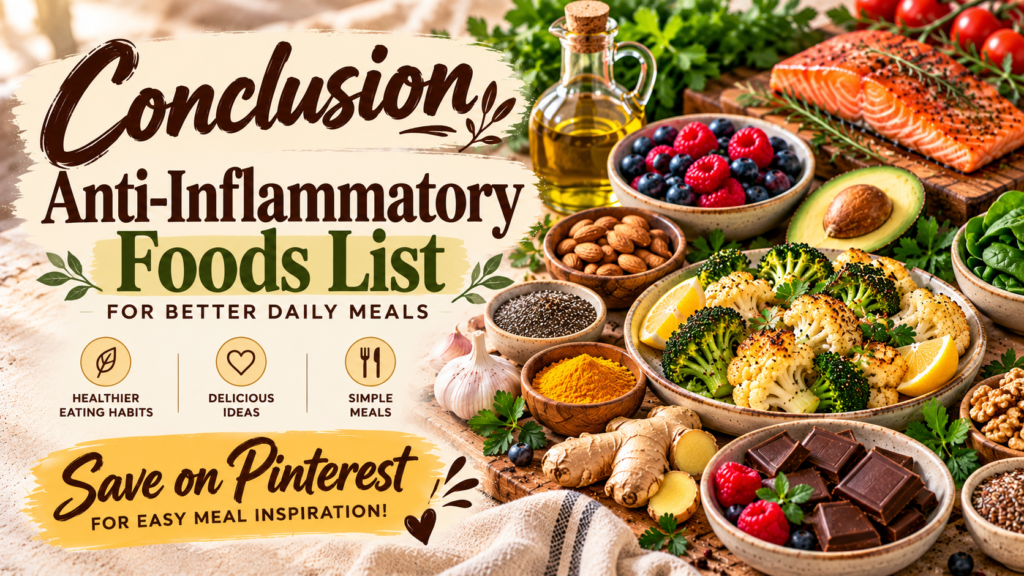
22 Anti-Inflammatory Foods List for Better Daily Meals
INTRODUCTION
Small changes to your daily meals can help you build healthier eating habits without giving up the foods you love. The secret starts with choosing more nourishing ingredients that bring color, flavor, and variety to your plate.
This anti inflammatory foods list offers 22 practical ideas to help you create balanced, satisfying meals using familiar foods. From juicy berries and leafy greens to fatty fish, walnuts, turmeric, and creamy yogurt bowls, these ingredients can make everyday eating more enjoyable.
You don’t need expensive superfoods or complicated recipes to get started. I’ve found that keeping a few versatile ingredients ready makes it easier to prepare nutritious meals, even on busy days. You’ll discover simple ways to include these foods in breakfasts, lunches, dinners, and snacks while supporting your overall health. Remember, no single food eliminates inflammation, but a varied eating pattern rich in whole foods can support long-term well-being. Save your favorite ideas and start with the ingredients you already enjoy.
1. Fatty Fish Meals
Image Description: Overhead food photography of grilled salmon fillets with golden edges, fresh sardines, lemon wedges, cherry tomatoes, and colorful roasted vegetables on a cream ceramic platter. Soft natural window light, warm beige linen, light oak tabletop, subtle olive-free earthy accents, crisp textures, inviting Mediterranean food styling, Pinterest-worthy composition.
Fatty fish such as salmon, sardines, mackerel, and trout deserve a regular place on your plate. They provide omega-3 fatty acids, particularly EPA and DHA, which help regulate inflammatory processes in the body. A simple salmon dinner with roasted vegetables offers protein, healthy fats, and essential nutrients in one satisfying meal.
For busy weekdays, keep frozen fish fillets available so dinner feels manageable. Season with garlic, lemon juice, black pepper, and paprika before baking. Pair your fish with brown rice or sweet potatoes for a balanced meal that supports overall health without complicated preparation.
2. Colorful Berry Bowls
Image Description: A vibrant breakfast bowl filled with blueberries, strawberries, raspberries, and blackberries arranged over creamy plain yogurt with chia seeds and chopped walnuts. Soft morning sunlight highlights the glossy fruit, with a pale stone countertop, folded blush linen napkin, wooden spoon, and airy neutral kitchen background.
- Blueberries: Rich in anthocyanins, plant compounds with antioxidant properties.
- Strawberries: Provide vitamin C and beneficial polyphenols.
- Raspberries: Supply fiber that supports digestive health.
- Blackberries: Offer dark pigments and a variety of protective plant compounds.
- Serving idea: Combine mixed berries with plain yogurt, oats, or unsalted nuts.
A colorful berry bowl makes breakfast feel fresh while helping you include more plant-based nutrients in your daily routine. Choose fresh or frozen fruit according to your budget and availability. Frozen berries work especially well in oatmeal and smoothies. Skip heavily sweetened toppings and let the fruit provide most of the sweetness.
3. Extra Virgin Olive Oil
Image Description: A small glass bottle of golden extra virgin olive oil beside a shallow ceramic dish, fresh lemon halves, garlic cloves, whole-grain bread, and ripe tomatoes. Warm natural daylight creates gentle shadows across a cream linen cloth and rustic wooden table, with Mediterranean-inspired styling and a clean overhead camera angle.
Quick Tip:
Replace butter or creamy bottled dressing with extra virgin olive oil when it suits the dish. Start with one or two teaspoons for sautéing vegetables or making a simple salad dressing. Store the bottle tightly closed in a cool, dark cupboard to protect its quality.
Extra virgin olive oil contains monounsaturated fats and polyphenols that contribute to its potential anti-inflammatory benefits. Drizzle it over roasted carrots, cooked beans, or leafy salads for richer flavor without relying on excess salt. It is calorie-dense, so moderate portions work well as part of a balanced eating pattern. Choose a reputable product and use it consistently alongside other nutritious foods.

4. Leafy Green Vegetables
Image Description: A fresh arrangement of baby spinach, kale, Swiss chard, and arugula in separate ceramic bowls on a light beige kitchen counter. Soft morning sunlight illuminates the vivid green leaves, with a wooden cutting board, cream linen towel, glass water carafe, natural textures, and clean overhead food photography.
BEFORE
Meals built mostly around refined grains and processed foods may leave little room for vegetables. You might finish lunch feeling that your plate lacked freshness, color, and variety.
AFTER
A generous handful of spinach or kale adds color, fiber, folate, and vitamins to everyday meals. These vegetables also contain beneficial plant compounds that help support the body’s natural defenses against oxidative stress.
Leafy greens are easy to incorporate without changing your entire meal plan. Fold spinach into scrambled eggs, stir kale into lentil soup, or add arugula to a whole-grain sandwich. Light cooking can make greens easier to eat in larger portions. Keep washed leaves in the refrigerator for quick additions throughout the week.
5. Turmeric Golden Meals
Image Description: A small wooden bowl of bright golden turmeric beside freshly grated ginger, black peppercorns, a creamy lentil curry, and a warm mug of golden milk. Soft golden window light, cream ceramic dishes, pale beige linen, a rustic wooden surface, detailed spice textures, and overhead editorial food photography.
- Season your base: Add half a teaspoon of ground turmeric to lentil soup, vegetable curry, or rice.
- Include black pepper: A small pinch can improve curcumin absorption, although the effect varies with the amount consumed.
- Add healthy fat: Cook turmeric with a little olive oil to distribute its flavor throughout the dish.
- Balance the flavor: Combine it with garlic, ginger, cumin, or lemon juice for a more rounded taste.
Turmeric contains curcumin, a compound studied for its anti-inflammatory properties. However, the benefits of eating turmeric in ordinary food portions are not guaranteed, and research on concentrated supplements is not the same as research on culinary use. Start with familiar recipes, and avoid assuming that more turmeric automatically means better results.
6. Garlic and Onion Bases
Image Description: Fresh garlic bulbs, peeled garlic cloves, sliced red onions, and golden onions arranged on a wooden cutting board beside a small bowl of chopped parsley. Warm natural kitchen lighting, soft cream and amber tones, textured linen, rustic wooden utensils, subtle shadows, and close-up overhead food photography.
| Comparison | Option A: Plain Base | Option B: Garlic and Onion |
|---|---|---|
| Flavor | Mild and simple | Savory and aromatic |
| Preparation | Minimal seasoning | Sauté before adding other ingredients |
| Meal pairing | Basic grains and vegetables | Soups, beans, curries, and roasted vegetables |
| Plant compounds | Depends on other ingredients | Provides sulfur-containing compounds and flavonoids |
Garlic and onions make everyday meals more flavorful while contributing beneficial plant compounds. Onions contain quercetin, a flavonoid with antioxidant activity, while garlic provides sulfur-containing compounds. Chop or crush garlic before cooking, and allow it to sit briefly before adding it to the pan. Start with small amounts if their strong flavors or digestive effects bother you.
7. Walnut Snack Bowls
Image Description: A small cream ceramic bowl filled with walnut halves, accompanied by a few scattered walnuts, fresh pear slices, and a folded beige linen napkin on a warm wooden tabletop. Soft natural window light, delicate shadows, earthy brown and ivory tones, detailed nut textures, minimalist food styling, overhead Pinterest photography.
DO
- Keep a small container of unsalted walnuts ready for quick snacks.
- Sprinkle chopped walnuts over oatmeal, yogurt, or fresh fruit.
- Add crushed walnuts to homemade whole-grain muffins.
- Pair walnuts with an apple or pear for a satisfying snack.
DON’T
- Treat walnuts as a replacement for every other healthy fat source.
- Choose heavily salted or sugar-coated varieties as your everyday option.
- Eat directly from a large bag if portions become difficult to judge.
- Assume walnuts alone can prevent or treat inflammatory conditions.
Walnuts provide plant-based omega-3 fatty acid called ALA, along with fiber and other beneficial nutrients. They are a practical addition to an anti-inflammatory eating pattern, especially for people who prefer plant foods to fish. A small handful makes a convenient snack, while chopped walnuts add crunch to salads and cooked vegetables.
8. Chia Seed Breakfasts
Image Description: A clear glass jar of creamy chia seed pudding topped with fresh blueberries, sliced strawberries, and a sprinkle of chia seeds. A small wooden spoon, folded cream linen napkin, and pale ceramic plate sit on a light stone countertop. Soft morning sunlight, gentle shadows, neutral styling, and close-up food photography.
Preparation time: 5 minutes, plus chilling | Skill level: Beginner | Best for: Breakfast and snacks
Cost: Low to moderate, depending on local availability.
Time: Five minutes of preparation, followed by several hours of chilling.
Key nutrients: Fiber, plant-based omega-3 ALA, and minerals.
Best pairing: Plain yogurt, milk, berries, or unsweetened plant-based milk.
Chia seeds absorb liquid and develop a soft, pudding-like texture, making them useful for preparing breakfast ahead of time. Stir two tablespoons into about half a cup of milk, refrigerate until thickened, and add fruit before serving. Their fiber supports digestive health, while their ALA provides a plant-based omega-3 source. Increase fiber gradually and drink enough fluids.
9. Ginger Infused Meals
Image Description: Fresh ginger root sliced into thin golden pieces beside a steaming bowl of vegetable and chicken soup, a small ceramic dish of grated ginger, and fresh lemon wedges. Warm natural light falls across a pale wooden table with cream linen, subtle amber accents, visible steam, and inviting overhead food photography.
A little fresh ginger can bring warmth and brightness to an ordinary meal. Its naturally spicy flavor pairs well with vegetables, soups, stir-fries, and homemade dressings, while its bioactive compounds, including gingerols, have been studied for potential anti-inflammatory effects.
Grate a teaspoon of fresh ginger into lentil soup, or combine it with lemon juice, garlic, and a little olive oil for a flavorful dressing. Ginger can be a useful part of a varied eating pattern, but it is not a cure for chronic inflammation. Start with modest culinary amounts if its strong taste upsets your stomach.

10. Oats and Whole Grains
Image Description: A rustic breakfast bowl of creamy oatmeal topped with blueberries, sliced banana, chopped walnuts, and cinnamon, beside a glass jar of rolled oats and a wooden spoon. Soft morning sunlight, warm beige and pale brown tones, textured linen, natural oak tabletop, cozy minimalist styling, and overhead Pinterest food photography.
- Choose rolled oats: Cook them with milk or water for a fiber-rich breakfast.
- Try brown rice: Serve it alongside beans, roasted vegetables, or grilled fish.
- Prepare quinoa: Use it as a base for colorful lunch bowls with chickpeas and spinach.
- Swap refined grains: Replace some white bread or rice with whole-grain alternatives.
- Check ingredient labels: Look for whole grains near the beginning of the ingredient list.
Whole grains provide fiber and nutrients that support digestive health and overall metabolic wellness. Oats contain beta-glucan, a type of soluble fiber, while brown rice and quinoa offer additional nutrients and variety. Build meals around these foods gradually, choosing options you enjoy and can afford. Pairing whole grains with vegetables and protein makes everyday meals more satisfying.
11. Green Tea Rituals
Image Description: A clear glass cup of pale golden-green tea beside loose green tea leaves, a small ceramic teapot, and a white plate of lemon slices. Soft natural window light, warm cream and muted brown surroundings, a light wooden tray, delicate steam, subtle shadows, minimalist styling, and close-up editorial photography.
Quick Tip:
Brew green tea with hot water that is below boiling to help reduce bitterness. Let it steep according to the package directions, then enjoy it plain or with a squeeze of lemon. Choose an earlier time of day if caffeine affects your sleep.
Green tea contains catechins, including EGCG, which have antioxidant properties and are being studied for their potential effects on inflammation. Drinking unsweetened green tea can be a pleasant alternative to sugary beverages, but it should complement rather than replace nutritious meals. Remember that green tea contains caffeine, and concentrated green tea extracts can carry risks that ordinary brewed tea does not share to the same extent.
12. Tomato Rich Dishes
Image Description: Ripe red tomatoes, halved cherry tomatoes, fresh basil leaves, and a rustic bowl of homemade tomato sauce arranged on a pale stone countertop. A small bottle of olive oil, garlic cloves, and whole-grain bread complete the scene. Warm natural sunlight, vivid red and cream palette, textured linen, and overhead Mediterranean food photography.
BEFORE
Meals can become repetitive when vegetables are limited to a small side salad or a few raw slices. This may leave you missing opportunities to enjoy different colors, flavors, and beneficial plant compounds.
AFTER
Tomatoes bring juicy texture, natural sweetness, and lycopene, a carotenoid with antioxidant properties. Cooking tomatoes can make lycopene more available for absorption, especially when paired with a little dietary fat.
Prepare a simple tomato sauce with crushed tomatoes, garlic, herbs, and olive oil. Spoon it over whole-grain pasta, add it to bean stews, or serve roasted tomatoes alongside eggs. Fresh and canned tomatoes can both fit into balanced meals. When buying canned products, compare labels and choose options with little or no added salt when possible.
13. Avocado Toast Toppings
Image Description: Two slices of toasted whole-grain bread topped with creamy mashed avocado, thin radish slices, cherry tomatoes, sesame seeds, and fresh lemon zest. A ripe avocado half rests beside a cream ceramic plate on a light wooden table. Bright natural morning light, soft shadows, neutral linen, crisp textures, and overhead Pinterest food photography.
- Toast whole-grain bread: Choose a slice with visible whole grains and a satisfying texture.
- Mash ripe avocado: Add lemon juice, black pepper, and a pinch of garlic powder.
- Add colorful toppings: Arrange sliced tomatoes, radishes, or baby spinach over the avocado.
- Include protein: Top with a cooked egg or serve alongside plain Greek yogurt.
- Finish with seeds: Sprinkle sesame or pumpkin seeds for extra crunch.
Avocados provide monounsaturated fats, fiber, and nutrients that support overall health. Their creamy texture makes breakfast feel satisfying without needing heavy spreads. Although avocados are not a cure for inflammation, they can contribute to a balanced eating pattern rich in plant foods. Prepare the toast shortly before serving to enjoy the best texture and freshness.
14. Beans and Lentil Bowls
Image Description: A colorful ceramic bowl filled with brown lentils, black beans, chickpeas, roasted carrots, diced tomatoes, and fresh spinach, arranged in distinct sections. A small bowl of cooked lentils and a wooden spoon sit nearby. Soft natural window light, cream linen, warm wood textures, earthy orange and burgundy accents, overhead food photography.
| Comparison | Option A: Refined Grain Bowl | Option B: Bean and Lentil Bowl |
|---|---|---|
| Fiber | Often lower | Generally higher |
| Plant protein | Varies by grain | Rich source of plant protein |
| Preparation | Quick cooking options available | Canned or batch-cooked options save time |
| Meal combinations | Works with vegetables | Pairs well with vegetables and whole grains |
Beans, chickpeas, and lentils provide fiber, plant protein, and minerals that make meals more nourishing. Their fiber also supports beneficial gut bacteria, which play a role in overall health. Choose canned beans for convenience, rinse them to remove some of the sodium, and combine them with tomatoes, onions, spices, or roasted vegetables for a filling lunch or dinner.
15. Broccoli and Cauliflower Sides
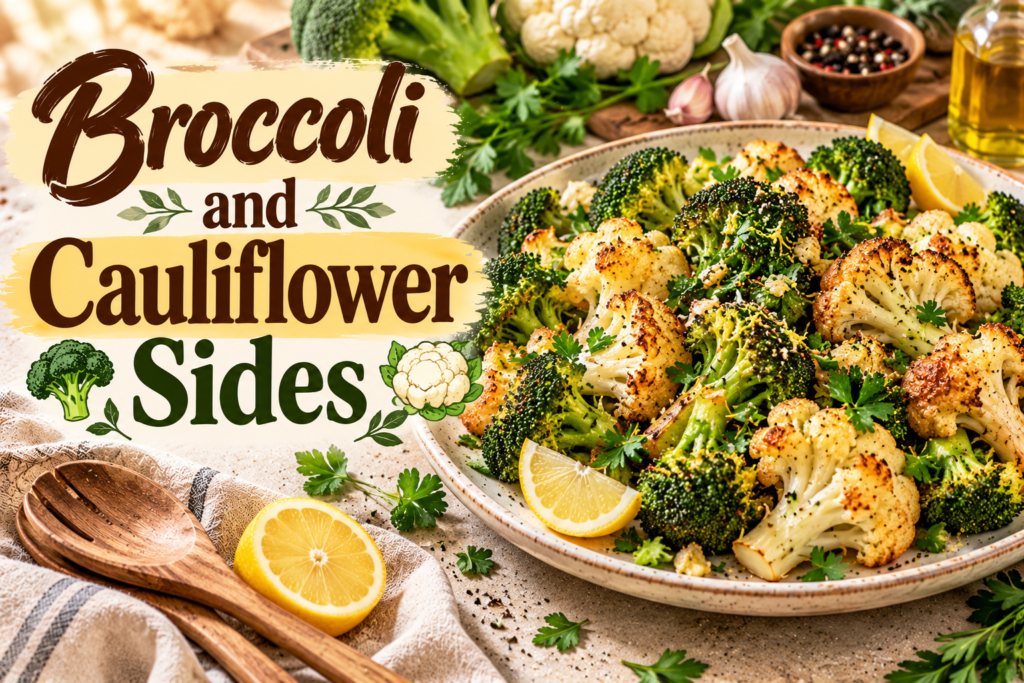
Image Description: A large ceramic platter of roasted broccoli florets and golden cauliflower pieces seasoned with garlic, black pepper, and lemon zest. Fresh parsley and lemon wedges add contrast. Warm natural light highlights the lightly browned edges, with a cream stone countertop, wooden serving utensils, soft linen, and clean overhead food photography.
DO
- Roast broccoli and cauliflower with olive oil and garlic.
- Steam florets until tender but still slightly firm.
- Add lemon juice and black pepper before serving.
- Include these vegetables in grain bowls, soups, or omelets.
DON’T
- Cook vegetables until they become unnecessarily mushy.
- Rely on heavy cheese sauces for all your vegetable dishes.
- Assume one vegetable provides every nutrient your body needs.
- Discard edible stems when they can be sliced and cooked.
Broccoli and cauliflower belong to the cruciferous vegetable family and contain fiber, vitamins, and compounds such as glucosinolates that researchers study for their biological effects. Roasting creates delicious browned edges, while steaming preserves their fresh flavor. Serve a generous portion alongside beans, fish, eggs, or whole grains to build a varied and balanced plate.
16. Sweet Potato Plates
Image Description: Golden-orange roasted sweet potato wedges arranged on a cream ceramic plate with chickpeas, baby spinach, and lemon tahini dressing. A halved sweet potato and a wooden fork sit on a light oak table. Soft natural window light, warm beige linen, crisp roasted textures, earthy colors, and overhead Pinterest food photography.
Cost: Low to moderate, depending on season and location.
Preparation time: 10 minutes of prep, plus 25 to 35 minutes of roasting.
Skill level: Beginner.
Key nutrients: Beta-carotene, fiber, potassium, and vitamin C.
Sweet potatoes bring natural sweetness, vibrant color, and valuable nutrients to everyday meals. Their orange flesh contains beta-carotene, which the body can convert into vitamin A. Roasting them with a little olive oil, paprika, and black pepper creates caramelized edges without requiring complicated seasoning. Pair them with lentils, grilled fish, or black beans for a balanced plate that feels hearty and satisfying.
17. Flaxseed Smoothies
Image Description: A tall glass of berry smoothie topped with a light sprinkle of ground flaxseed, surrounded by fresh strawberries, blueberries, a wooden bowl of flaxseeds, and a small glass jar of ground flaxseed. Soft morning sunlight, pale cream countertop, blush linen napkin, natural wood textures, fresh colors, and close-up breakfast photography.
Ground flaxseed is an easy way to add plant-based omega-3 fatty acids and fiber to a daily smoothie. Whole flaxseeds may pass through the digestive tract without being fully broken down, so ground seeds are generally the more practical choice for absorbing their nutrients.
Blend one tablespoon of ground flaxseed with unsweetened yogurt or milk, a banana, and frozen berries. The result is creamy, fruity, and filling without needing added sugar. You can also stir ground flaxseed into oatmeal or overnight oats. Start with a small serving and increase gradually if you are not used to eating fiber-rich foods.
18. Colorful Bell Pepper Salads
Image Description: A wide white ceramic bowl filled with sliced red, yellow, and orange bell peppers, cucumber ribbons, cherry tomatoes, chickpeas, and fresh parsley. A small glass bowl of lemon dressing sits beside it on a pale stone surface. Bright natural daylight, crisp vegetable textures, cream linen, colorful Mediterranean styling, overhead food photography.
Quick Tip:
Slice bell peppers ahead of time and store them in an airtight container in the refrigerator. Combine red and yellow peppers with cucumber, chickpeas, lemon juice, and olive oil just before serving for a quick, colorful lunch.
Bell peppers, especially red varieties, are excellent sources of vitamin C and provide carotenoids and other beneficial plant compounds. Their crisp texture adds freshness to salads, wraps, and grain bowls. Pair them with protein-rich chickpeas or beans to make a more satisfying meal. Raw peppers offer crunch, while roasting brings out their natural sweetness and makes them easy to mix into warm dishes.
19. Pumpkin Seed Toppings
Image Description: A cream ceramic bowl filled with green pumpkin seeds beside a roasted pumpkin wedge, a small bowl of plain yogurt, and a colorful grain salad topped with seeds. Soft natural window light, warm beige linen, light oak tabletop, golden autumn accents, crisp textures, minimalist food styling, and overhead Pinterest photography.
- Breakfast: Sprinkle pumpkin seeds over oatmeal, yogurt, or fresh fruit.
- Lunch: Scatter them over leafy green salads or roasted vegetable bowls.
- Dinner: Add a spoonful to lentil soup just before serving.
- Snacks: Combine unsalted pumpkin seeds with walnuts and dried cranberries in a small portion.
Pumpkin seeds provide magnesium, zinc, protein, and unsaturated fats that support general health. They also contribute variety to meals rich in plant foods, although they should not be viewed as a treatment for inflammation. Choose plain or lightly roasted seeds when possible, and store them in an airtight container to maintain freshness. A small sprinkle adds a pleasant crunch without overpowering your meal.
20. Dark Chocolate Portions
Image Description: Several squares of dark chocolate arranged on a small ivory ceramic plate beside fresh raspberries, blueberries, and a few cocoa beans. A folded beige linen napkin and wooden serving board rest on a warm stone countertop. Soft natural light, rich chocolate brown tones, subtle shadows, elegant minimalist food photography, and close-up perspective.
DO
- Choose dark chocolate with a high cocoa percentage if you enjoy its stronger flavor.
- Check the ingredient list and compare added sugar across brands.
- Enjoy a small portion alongside fresh berries or unsalted nuts.
- Treat chocolate as an occasional addition to a varied eating pattern.
DON’T
- Assume every dark chocolate product has the same flavanol content.
- Eat large quantities simply because the cocoa percentage is high.
- Ignore added sugar or calorie content when comparing products.
- Use chocolate as a substitute for vegetables, fruit, or other nutrient-rich foods.
Dark chocolate contains cocoa flavanols, plant compounds studied for their antioxidant and vascular effects. However, processing methods can reduce flavanol levels, and the amount varies between products. A small square or two can satisfy a chocolate craving while keeping portions reasonable. Choose a product you enjoy, and remember that the overall quality of your eating pattern matters more than any single treat.

21. Fresh Citrus Fruit
Image Description: A bright arrangement of sliced oranges, juicy grapefruit, fresh lemons, and small mandarins on a cream ceramic platter. A clear glass of citrus-infused water and a linen napkin sit on a pale wooden table. Bright natural morning light, vivid orange and yellow tones, fresh fruit textures, soft shadows, and overhead Pinterest food photography.
BEFORE
Snacks built around packaged sweets may provide plenty of added sugar but little fiber or variety. Fruit can be overlooked when convenient options are always within reach.
AFTER
A bowl of oranges or mandarins offers natural sweetness, water, fiber, and vitamin C. Citrus fruits also contain flavonoids, including hesperidin, that are being studied for their potential health effects.
Keep whole oranges or mandarins visible on the kitchen counter for an easy snack. Add orange segments to spinach salads, squeeze lemon over roasted vegetables, or combine citrus with plain yogurt. Whole fruit generally provides more fiber and greater fullness than juice. Grapefruit can interact with certain medications, so check with your pharmacist if you take prescription medicines.
22. Fermented Yogurt Bowls
Image Description: A cream ceramic bowl filled with plain yogurt, topped with fresh blueberries, sliced strawberries, chopped walnuts, and a light sprinkle of chia seeds. A small glass jar of yogurt and a wooden spoon sit on a pale oak table. Soft morning sunlight, warm neutral tones, natural linen textures, inviting minimalist food styling, overhead Pinterest photography.
Cost: Low to moderate, depending on the yogurt brand.
Preparation time: 5 minutes.
Skill level: Beginner.
Best for: Breakfast, afternoon snacks, and simple desserts.
Key nutrients: Protein, calcium, and beneficial live cultures in qualifying products.
Plain yogurt with live cultures can provide protein and calcium while introducing beneficial microorganisms, depending on the product and its preparation. Some fermented foods may support gut health, although effects vary by strain and individual. Choose unsweetened yogurt, then add berries, walnuts, or ground flaxseed for extra fiber and healthy fats. If dairy causes digestive discomfort, consider a suitable fortified alternative with live cultures.
A nourishing yogurt bowl brings several useful food groups together without much preparation. It can be especially handy on busy mornings when cooking feels unrealistic. Look for products that list live cultures, keep them refrigerated according to the label, and choose toppings that suit your preferences. Remember that no single fermented food guarantees reduced inflammation; variety across your meals remains important.
CONCLUSION
Building healthier eating habits doesn’t have to mean changing everything overnight. This anti inflammatory foods list gives you plenty of inspiration, from omega-3-rich fish and colorful berries to fiber-packed beans, leafy greens, and nourishing seeds.
Start with one or two ingredients that fit your budget, taste, and daily routine. Add berries to breakfast, prepare a vegetable-rich lunch, or season dinner with garlic and turmeric. Small, consistent choices can help make balanced eating more enjoyable over time.
Save this article on Pinterest for easy meal inspiration, and share it with someone who wants fresh ideas for healthier daily meals. Your next nourishing meal can start with one simple choice!